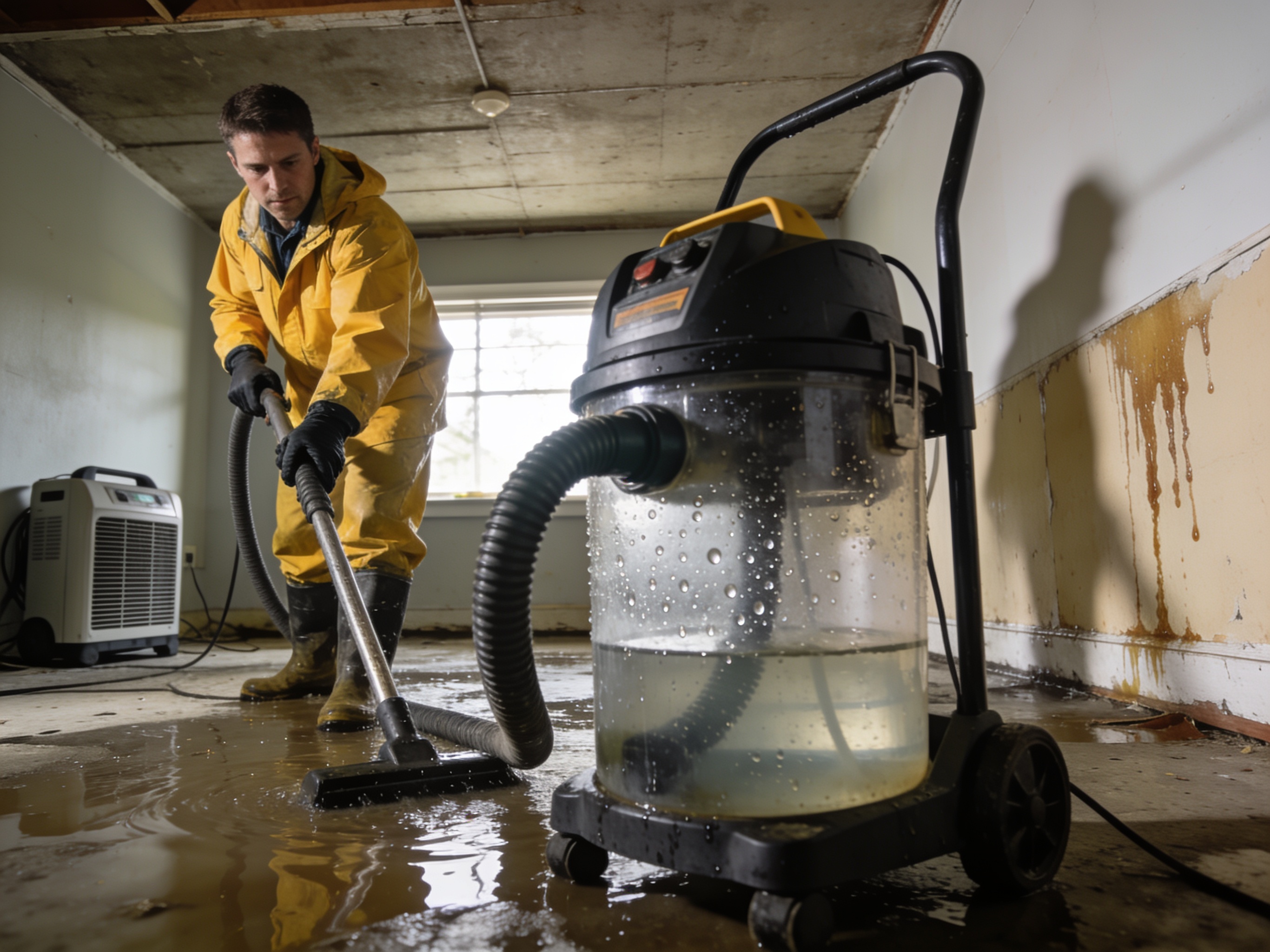
Winston-Salem’s older housing stock in Waughtown and Downtown neighborhoods often features crawlspaces and slab foundations that trap water after heavy summer downpours. The region’s humid subtropical climate accelerates mold growth within 48 hours when moisture lingers against brick or wood framing common in homes built before 1960. Crews must account for limited access points in these structures and the clay soils around Reynolda that slow natural drainage.
Mild winters reduce freeze-related pipe bursts compared with northern cities, yet sudden thunderstorms still overwhelm aging storm drains near Truist Stadium and Winston-Salem State University. Extraction equipment is staged to handle both standing water and hidden saturation in lath-and-plaster walls typical of West End and Ardmore bungalows. Delaying removal allows moisture to migrate into shared walls between attached homes, raising restoration costs for neighboring properties.
Local crews prioritize negative air machines and moisture meters calibrated for Forsyth County’s humidity levels to confirm drying before drywall replacement. Properties near Old Salem Museums & Gardens sit on slightly lower terrain that collects runoff from surrounding hills, requiring temporary diking during extraction. Homeowners in these blocks frequently discover water has wicked into hardwood floors installed directly on grade, a detail missed by general contractors unfamiliar with the area.
Technician insight
In Winston-Salem, the thing that catches most people out with Emergency Water Removal is the clay soil around Old Salem and Waughtown that holds water against foundations long after the rain stops, so extraction alone rarely finishes the job without follow-up drying focused on the perimeter.
Crawlspace Flood After Summer Storm
Water entered a 1950s home in the West End through a low window well during a July thunderstorm. Extraction crews found six inches of standing water against the foundation and saturation in the subfloor joists. Pumps cleared the water the same day, followed by targeted drying that prevented mold from reaching the hardwood floors above.
Emergency Water Removal Services We Offer
✓Basement Water Extraction
Removes standing water from below-grade spaces common in Ardmore and West End homes before it reaches electrical systems or insulation.
✓Crawlspace Drying
Extracts moisture from vented crawlspaces under older Waughtown and Reynolda properties to stop mold on joists and subfloors.
✓Carpet and Pad Removal
Cuts and disposes of saturated flooring in living areas of Downtown and Old Salem homes where padding holds hidden water.
✓Appliance Leak Cleanup
Addresses sudden releases from water heaters or washers in kitchens and utility rooms throughout Forsyth County residences.
✓Storm Water Removal
Clears rainwater that enters through windows or doors after summer storms affecting properties near Truist Stadium and Greensboro Road corridors.
Emergency Water Removal Cost in Winston-Salem, NC
| Service | Typical Range | What Affects It |
|---|---|---|
| Initial extraction visit | $250–$650 | Higher in crawlspaces or when multiple rooms are involved |
| Daily equipment rental | $150–$350 | Varies with number of air movers and dehumidifiers needed |
| Carpet and pad disposal | $100–$300 | Based on square footage removed |
Ranges are typical for Winston-Salem, NC and confirmed with an exact written quote before any work starts.
How it works
- 1
Site Assessment
Technicians inspect affected rooms, measure moisture in walls and floors, and identify the water source while noting access limits in older Winston-Salem construction.
- 2
Water Extraction
Portable pumps and wands remove standing water from basements, crawlspaces, and living areas, focusing on low spots created by local clay soils.
- 3
Drying And Monitoring
Air movers and dehumidifiers run until meters read acceptable levels, with daily checks to prevent secondary damage in humid summer conditions.
- 4
Final Verification
Moisture readings and visual inspection confirm the structure is dry before any reconstruction begins on the property.
Pricing
Cost depends on water volume, access difficulty in older homes, and number of rooms affected.